Commerce
Customers, orders and payments.
Explore domainData models and semantic definitions
MeaningGraph is an open registry for data models and semantic definitions. Describe how your data is structured, what it means, or both.
What a number means · intro film, 1:43 · plays from YouTube
Explore the graph
Customers, orders and payments.
Explore domainCountries, cities and places.
Explore domainPeople, organizations and contacts.
Explore domainEvents, dates and local time.
Explore domainOwnership, value and obligations.
Explore domain01 / Understand it
A name in a table is only a start. MeaningGraph connects a field to what it represents, what it references and where that definition came from.
Explore InvoiceA semantic reference connects definitions even when their data lives in different systems.
02 / Map it
A semantic field is independent of its storage type. Map it to a SQL column, JSON property or CSV heading without redefining what it means.
Inspect Invoice.customerId
Invoice.customerId↔chinook.Invoice.CustomerIdCountry.alpha2↔countries.csv → ISO2Customer.contactId↔customer.contact.idIllustrative mappings. ChinookDB.com provides an example database.
03 / Connect it
Definitions provide a common layer for SQL databases, APIs and files. Follow the meaning of an identifier across sources before writing a join.
Latest articles
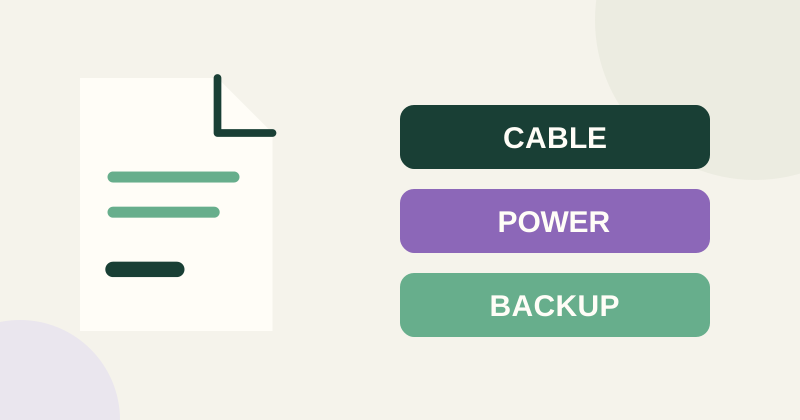
A runbook is steps a responder can follow under pressure. A known error is an analysed cause. A postmortem is written after restore. Playbook is not a core id.
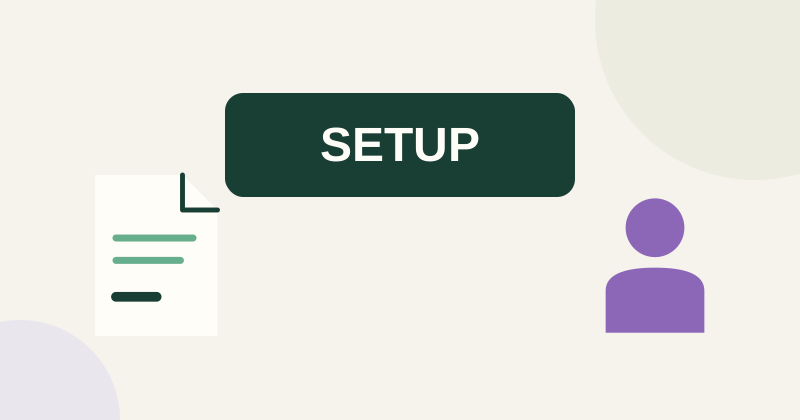
A service name is the name of the offered service. The service is the activity. The description, the provider, and a measurement are different facts.
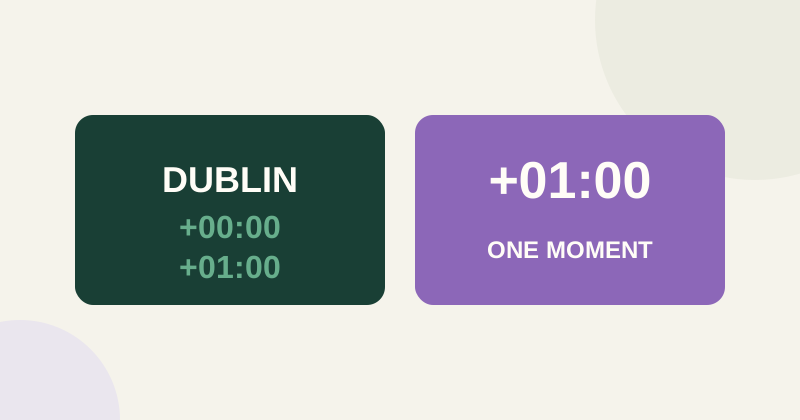
A time zone names the rules, as Europe/Dublin does. A UTC offset, also called a timezone offset, is a fixed difference from Coordinated Universal Time.
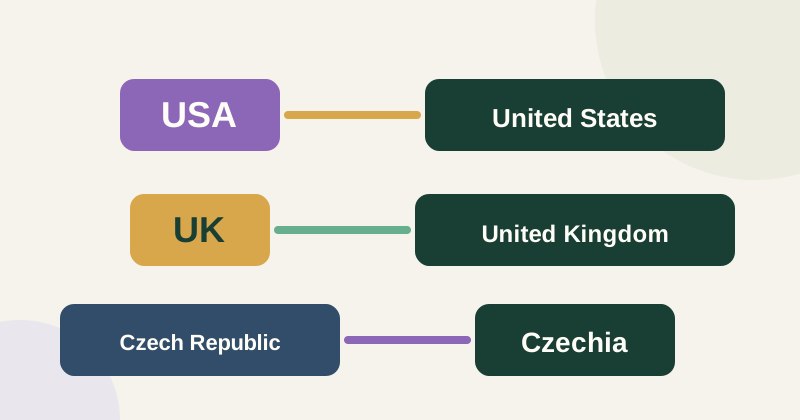
A country alias is an alternative name for the same country: a short name, an official name, a former name, or an abbreviation.
Public registry
Registration is optional. Describe logical record types and fields, define meanings and relationships, or connect the two later. Registration adds discovery and pinned provenance. Database implementations and deployments are listed in the OpenVaultDB Directory.
Supported by CodeGrapher
CodeGrapher recognizes MeaningGraph concepts and their declared ModelSpec bindings in indexed source. Registered graph and concept pages link to the exact source revision and concept line pinned by this registry. Code relationships appear where the indexed repository declares them.
04 / Own and extend it
Keep definitions in your own Git repository. Reference an immutable version, extend a shared concept, or propose a change upstream. Alternatives can coexist with clear provenance.
How to contributeRepo, version and extension remain visible wherever a definition is used.
One registry and a physical directory
The shape of the data (record types, fields, types and links), plus domain concepts and vocabularies in one open registry. Models can stand alone; links to meanings are optional. ModelSpec remains an independently usable model format.
Browse the Registry ModelSpec formatPhysical databases, engines and deployments: where the data is, who publishes it and how to reach it.
directory.openvaultdb.comAdventureWorks OLTP has a physical database listed in the OVDB Directory, with logical model AdventureWorks OLTP model and semantic definitions in MeaningGraph.
05 / Contribute
Register a logical data model, add semantic definitions, or connect both. Registration adds discovery and pinned provenance.
Logical models and semantic definitions can be registered independently, then connected when useful.
Register a repository and immutable revision for discovery.
Meanings can map to model fields without changing either definition.
Used in product development
DataTug helps developers explore database schemas, build and run queries, and understand results. DataTug can reference versioned DataModels from MeaningGraph and consume their structure independently of semantic mappings.
Explore the tools behind DataTugA shared language for people and software
Explore. Define. Connect. Together.
Explore the graph